A parent’s introduction to Singapore Youth Festival band ensembles
What the 20 to 21 April Singapore Youth Festival band ensemble dates cover, and questions piano families can ask about playing with others.

Key points
- The Ministry of Education (MOE) schedules Singapore Youth Festival (SYF) primary brass, wind and percussion ensembles for 20 and 21 April 2026.
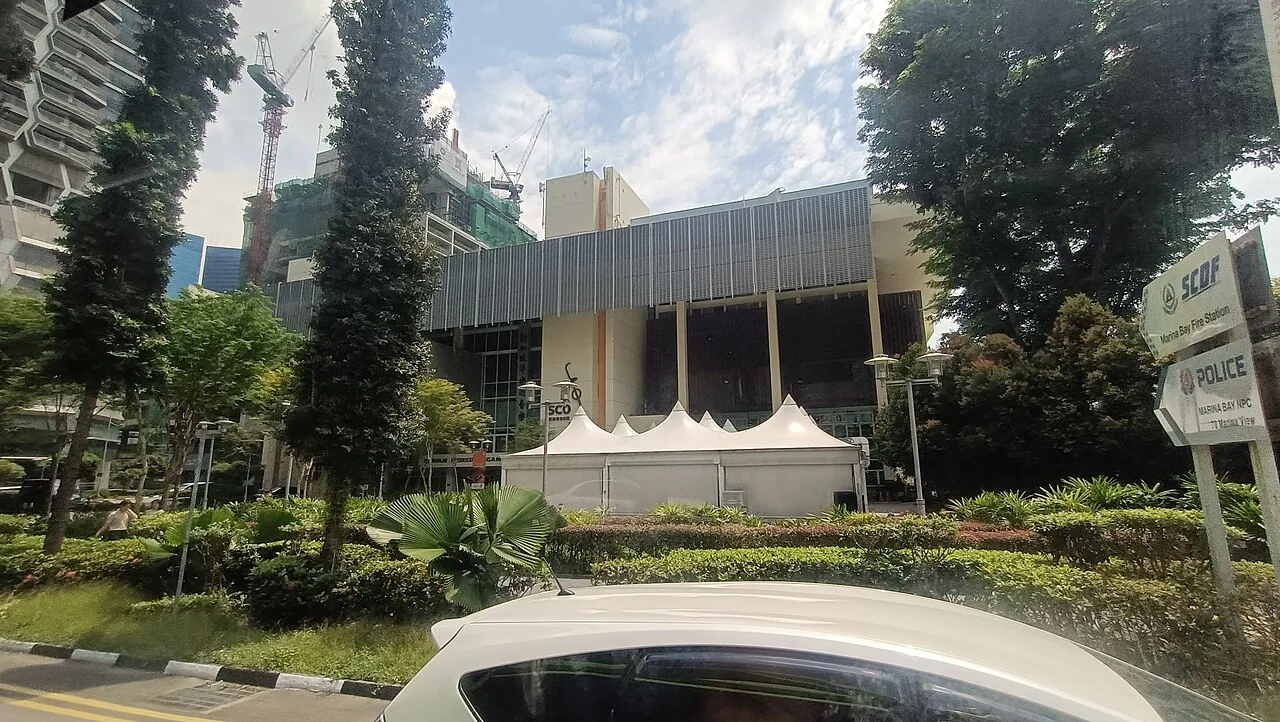
- The venue is Singapore Conference Hall Concert Hall, 7 Shenton Way.
- Primary brass bands and concert bands have a separate slot on 27 to 29 April. Check which category your child’s school is entering.
- The schedule gives category dates and venues. It does not establish an individual child’s performance, award or school admission prospects.
Why might a piano family be interested in band ensembles?
Your child may spend most of their musical time at a piano, working through a piece with a teacher. A school ensemble introduces a different question: how does their part fit with what other people are doing?
The April Singapore Youth Festival schedule gives parents a concrete reason to ask about that side of school music. An ensemble is a group of musicians playing together, and the category named here covers brass, wind and percussion groups at primary level.
You do not need to turn that interest into another target for your child. Start by asking what music activities their school offers and whether any of them appeal to them.
This article explains the published schedule and suggests questions for families. It makes no claim about attending a presentation or about the results of any participating school.
Which dates belong to which band category?
MOE’s schedule separates primary brass ensembles, wind ensembles and percussion ensembles on 20 to 21 April from primary brass bands and concert bands on 27 to 29 April. Both rows name Singapore Conference Hall Concert Hall.
That distinction matters when a parent hears simply that “band is performing in April”. The category name is part of the information you need, alongside the school’s own notice.
The schedule does not give a starting time for every school. Ask the school for its allocated session, reporting arrangements and any instructions for parents before planning to attend.
Treat a category’s two-day range as a range, rather than assuming your child is needed on both days. Only the school can confirm the arrangements for its own participants.
What can you ask your child about playing with others?
Try asking what happens when someone else has the tune. Your child might describe waiting, listening for a cue or making their own part quieter, which gives you something specific to discuss.
If they also learn piano, ask whether they encounter a similar moment in a duet. You could invite the piano teacher to suggest a short shared piece, if that fits the child’s current lessons and interests.
Another useful question is what the group does when something goes wrong. Leave room for a practical answer about following the conductor or finding the next entry, rather than looking for a story about perfect playing.
At home, a simple rhythm played together can begin the conversation. The point is to notice another person while making music, without trying to reproduce a school’s rehearsal or prepare an unofficial audition.
These are suggestions for family discussion. They are not claims that participation produces a particular examination result or admission outcome.
How should parents connect this with longer-term plans?
Keep your child’s experience at the centre of the discussion. Ask whether they enjoy the group, what they find difficult and whether the rehearsal commitment feels manageable alongside school and piano lessons.
If they are considering school music later, keep a factual record of activities they actually took part in. Ask the school or teacher to confirm details rather than attaching an award or role that you have not verified.
The SYF schedule is not a Direct School Admission checklist. Direct School Admission is the school entry scheme based on talents and strengths; any future music application needs that school’s own current requirements.
Likewise, these ensemble dates do not establish a solo-piano category. A piano learner can be interested in school ensemble music without treating the published band schedule as a piano competition calendar.
For now, the practical next step is small. Read the school’s notice with your child, clarify which event it refers to, and ask what they would like you to understand about the music they are making together.