The Music Elective Programme explained for parents
What MEP involves, how school and external-centre study differ, and why school admission and programme selection need separate planning.

Key points
- The Music Elective Programme (MEP) is a four-year secondary programme beginning in Secondary 1, with listening, creating and performing among its central activities.
- Your child can study within a school offering MEP, or apply for external-centre study if their own school offers neither MEP nor the Enhanced Music Programme.
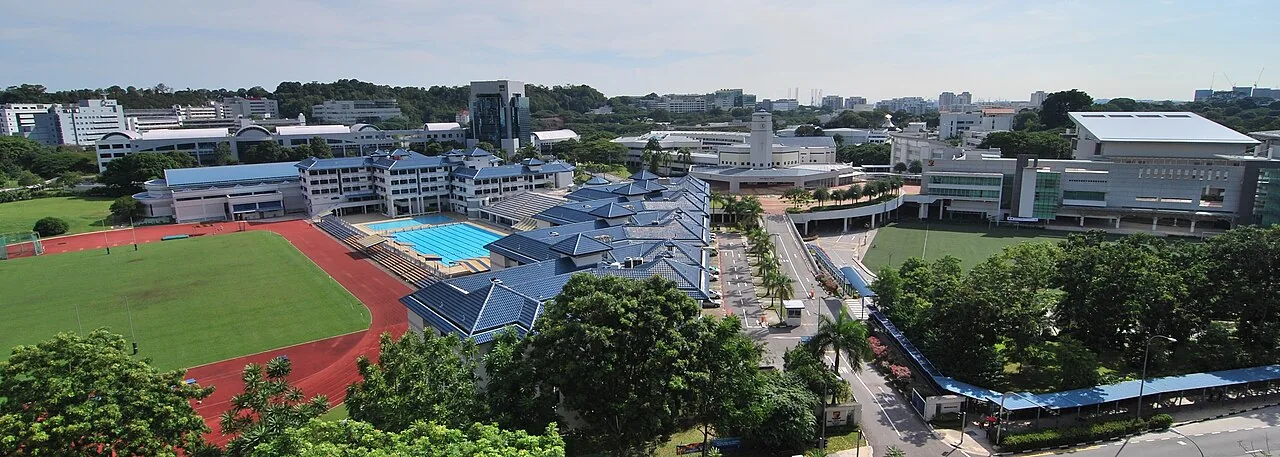
- The two external centres are Anglo-Chinese School (Independent) and Dunman High School. Centre students remain enrolled in their own secondary schools.
- School admission and MEP selection are separate questions. There is no single application deadline covering every school, centre and junior college route.
Would your child enjoy studying music beyond their instrument?
If your child likes playing piano, MEP may be worth exploring. The next question is whether they also want to listen closely, discuss unfamiliar music and create music of their own.
The Ministry of Education describes a programme that studies music in depth. A family should look at that breadth before choosing a school or arranging travel to a centre.
This explainer brings together the published programme descriptions and distinguishes the ways of joining. It does not assume a piano exam certificate settles either school admission or MEP selection.
What would your child study?
MOE’s secondary overview describes listening, creating, performing and research across several musical traditions. It also describes access to specialist facilities and opportunities to work with students from other schools.
Catholic High School gives a more concrete picture of its own provision. Its description includes music studies, composing and performing, with opportunities to make music together and take part in workshops and concerts.
For a piano family, you could ask whether your child would enjoy explaining what they hear or trying to write a short musical idea. Those are useful discussion prompts when considering the programme’s wider activities.
The secondary programme leads towards G3 Higher Music, the school examination subject named in MOE’s guidance. Ask the school how the music course fits with the rest of your child’s timetable and subject choices.
How do school-based and centre-based study differ?
If your child attends a school offering MEP, the school conducts its programme selection. MOE says interested students joining through ordinary school admission must pass the school’s selection exercise at the beginning of Secondary 1.
For pupils outside schools offering MEP or the Enhanced Music Programme, MOE provides the external-centre option. The Enhanced Music Programme is a separate school music programme, and attending a school offering it affects eligibility for the MEP centres.
External students attend weekly lessons at Anglo-Chinese School (Independent) or Dunman High School. MOE also says lower-secondary centre students continue attending their own school’s lower-secondary music lessons.
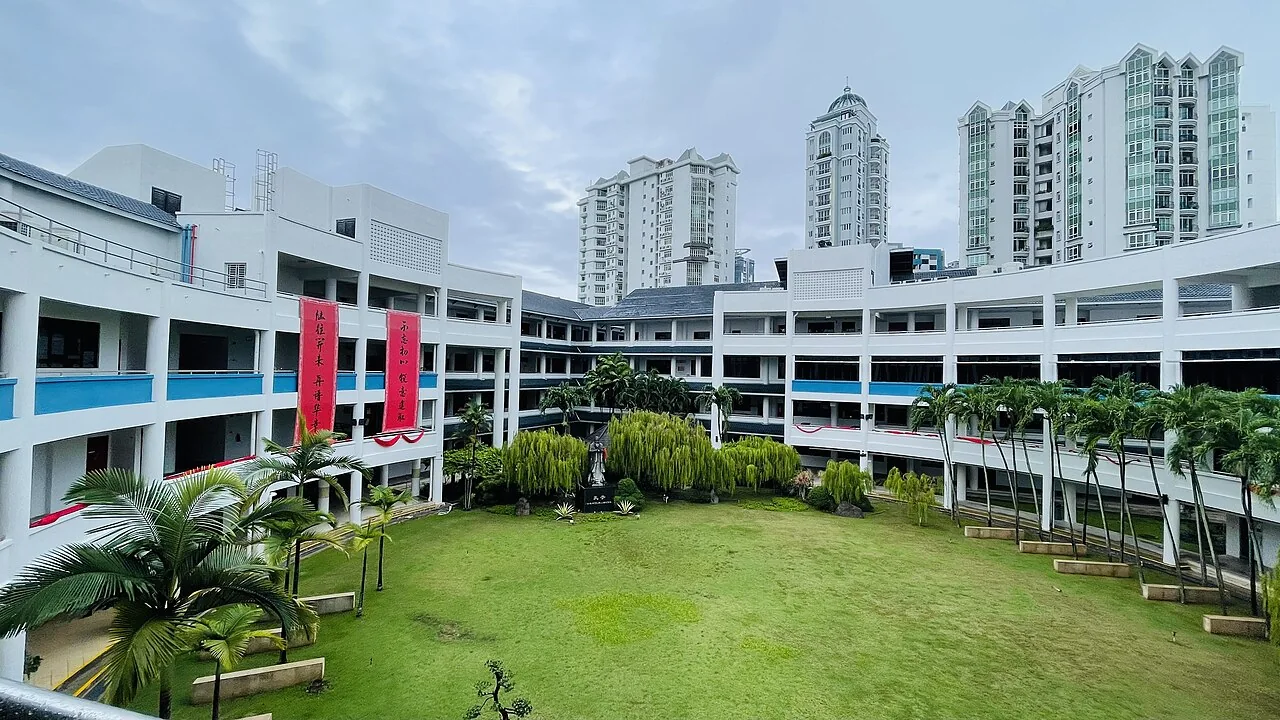

Think through a real school afternoon before applying. Include the journey, time for food, other school activities and getting home, then ask the school’s music coordinator whether those commitments can fit together.
What does selection look for?
MOE describes experience and competence in playing an instrument or singing, together with listening and evaluating music. Its general secondary selection description includes a listening test, an audition and an interview about musical interests.
That audition description asks for two contrasting solos lasting no more than five minutes altogether. Keep it attached to the named general selection guidance; an individual school can publish its own instructions for a particular exercise.
The 2026 centre package also says external music certification is not required. Your child still needs musical fluency and must complete the selection components, so ask what they can demonstrate rather than looking only at their latest certificate.
Which dates and lesson days should you follow?
The official 2026 centre package gave an application window of 2 to 15 January 2026. Those dates belonged to that centre exercise, not every Primary 6 pupil or every school’s MEP selection.
The same package listed Thursday lower-secondary lessons at Anglo-Chinese School (Independent), while MOE’s live provider page in 2026 lists Wednesday afternoons. Because those sources differ, confirm the timetable for your child’s cohort directly before planning around a weekday.
For junior college, meaning the two-year pre-university stage, MOE describes a separate MEP. Students admitted through ordinary entry indicate interest to the programme teachers; those without O-Level Music or Higher Music must pass school selection at the beginning of the first year.
The sources do not establish one ordinary-entry junior college selection date for the 2026 intake. Direct School Admission, which considers talent before national examination results, has its own school application process and commitments.
Keep school admission, programme selection and weekly attendance as three separate conversations. Once each is clear, you can decide whether the programme suits the music your child wants to learn.
Sources
- Ministry of Education: secondary MEP
- Ministry of Education: programme overview
- Ministry of Education: schools and centres
- Ministry of Education: how to join
- Ministry of Education: 2026 centre information package
- Ministry of Education: pre-university MEP
- Catholic High School: Music Elective Programme