Music DSA criteria at five schools in 2026
A sourced comparison of five schools’ 2026 music DSA requirements, with secondary and junior college entry kept distinct and missing pages identified.

Key points
- Direct School Admission (DSA) music requirements differ by school. This is a comparison of five verified 2026 examples, not a national directory.
- Secondary entry and junior college entry concern different ages and application exercises. The junior college notices discussed here concern admission in 2027.
- The published examples include written portfolios, performance recordings, listening tests, auditions and creative work, in different combinations.
- The requirements belong to named schools and application years. Check a school’s latest notice before planning an application for another year.
What should you compare besides a piano certificate?
A useful school comparison begins with what your child would actually have to submit and demonstrate. A certificate may be relevant evidence, but it does not describe every task in these published requirements.
The Music Elective Programme, or MEP, provides in-depth school music study. Several schools below recruit through a music or MEP talent area, which should not be treated as a promise of a separately named piano place.
These are accounts of the 2026 exercises. Use them to understand the differences, then check new school notices when planning a later application year.
What did Raffles Institution ask secondary applicants for?
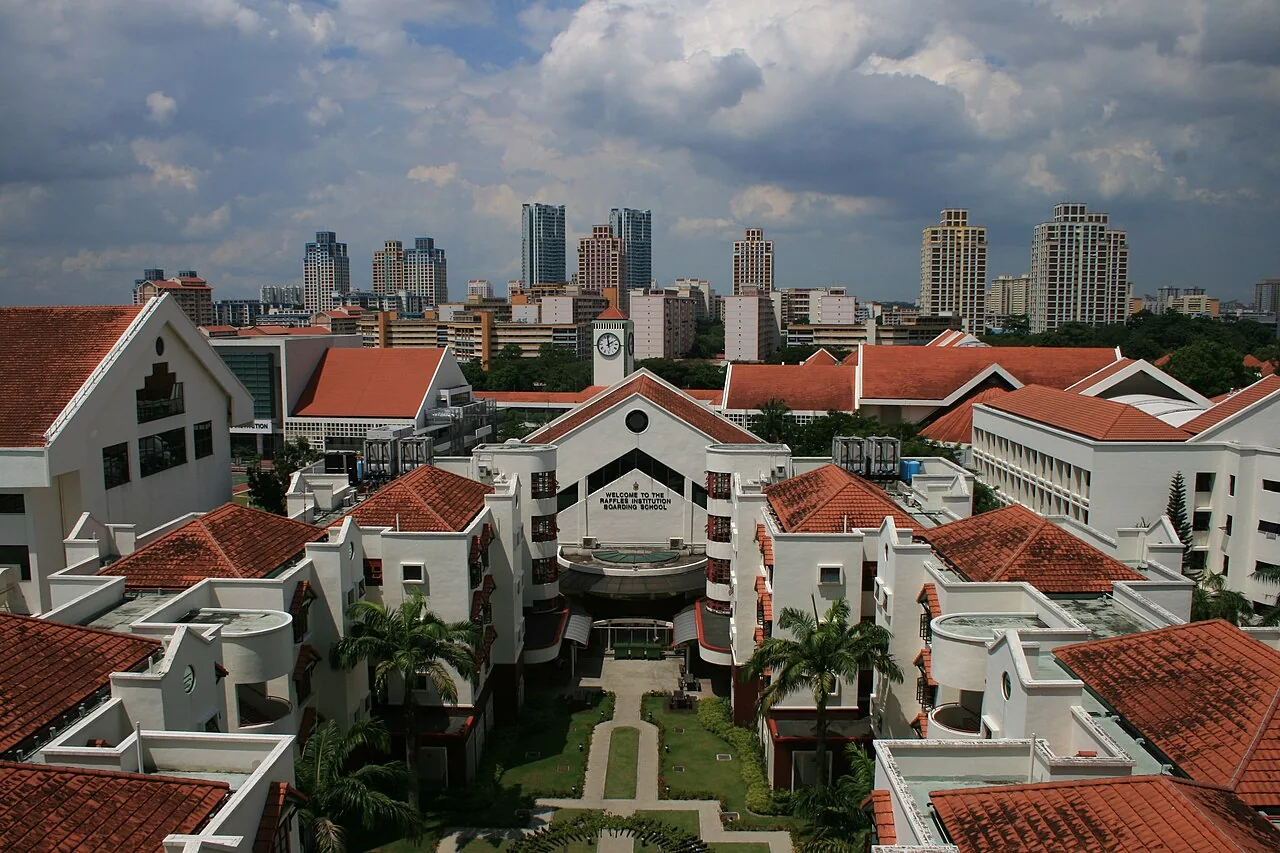
Raffles Institution’s 2026 Music document required outstanding musical interest and talent, with successful music applicants expected to study MEP. It asked applicants to choose only one talent area within its Performing Arts and Visual Arts domain.

Its portfolio contained a statement of up to 500 words, a music-teacher recommendation written within three months of application, and the applicant’s top five music-related awards, accomplishments or certifications from the preceding three years.
The separate portfolio window ran from 3 June at 9am to 19 June at 9am. Shortlisted applicants had a music theory test scheduled for 10 July and an audition and interview for 11 July.
For your family, the comparison point is the combination of written evidence and live selection. A performance recording prepared for another school would not automatically meet this portfolio checklist.
What did Catholic High School publish?
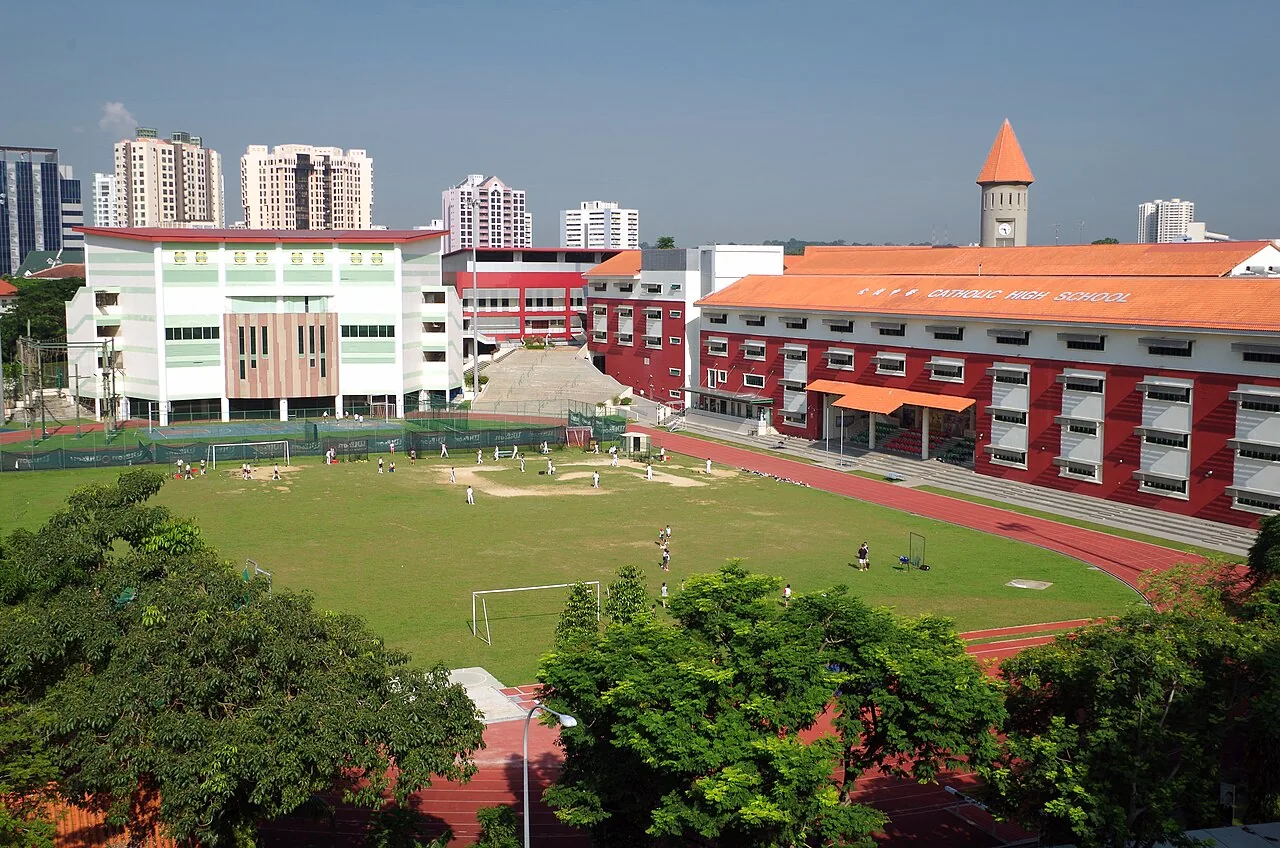
Catholic High School’s MEP criteria applied to both its Integrated Programme and its Secondary Education Certificate examination programme. The Integrated Programme continues through secondary and pre-university education; the other programme leads to the secondary national examination.
The school asked for strong interest and drive in music study, composition or performance, together with evidence of outstanding achievement or a portfolio in those areas. It scheduled auditions on 20 or 21 July, followed by a group interview on 23 July for successful audition candidates.
Its wider requirements also matter. The page says applicants must offer Chinese or Higher Chinese in primary school and sets academic expectations for both programmes, so musical fit alone cannot settle whether the school is suitable.
How did Tanjong Katong Girls’ School assess music?
Tanjong Katong Girls’ School asked for an MP3 excerpt of no more than one minute by 8 June 2026. Its music audition called for two contrasting prepared pieces, on an instrument of choice or voice, lasting two to five minutes altogether.
Additional tasks could include clapping or singing responses, sight-reading and scales, and a listening and theory test involving simple score reading. The page also required an interview for all talent areas.
The school described musical-group experience as preferable, while allowing applicants without prior experience to apply. That distinction matters: do not turn a stated preference into a compulsory qualification.
How did Eunoia Junior College include creating music?
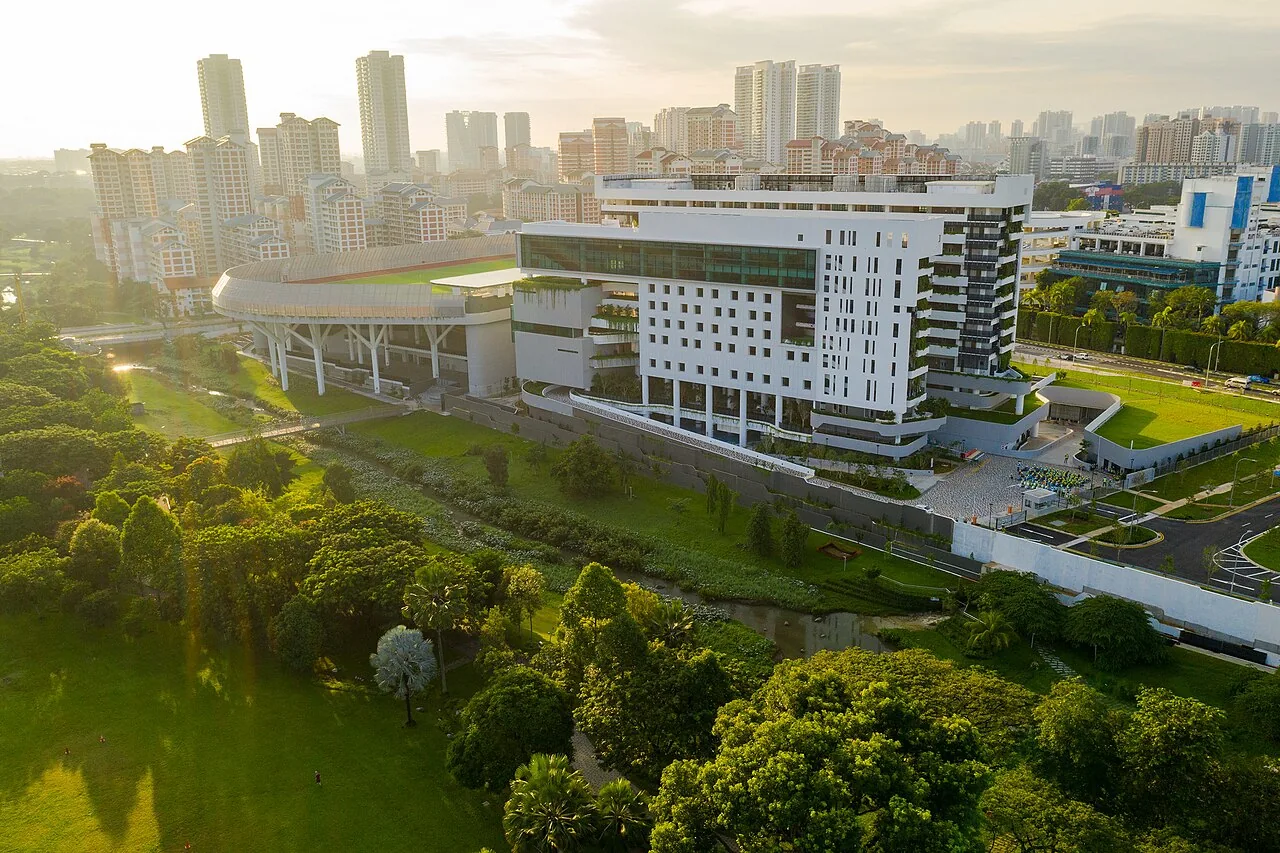
Eunoia Junior College’s notice, dated 4 May 2026, concerned first-year admission in 2027. Its MEP shortlisting criteria asked for passion and strong ability, evidenced through one or more named areas such as school music results, musical achievements or national-ensemble participation.

The submission included academic results, two contrasting performance videos totalling five to ten minutes, recorded within the previous two years, and an original composition or arrangement lasting two to five minutes.
For acoustic work it asked for a PDF score and audio demonstration. For work made in digital audio workstation software, meaning software used to record and produce music, it asked for exported audio; shortlisted candidates then faced an interview and selection test.
This is a useful example for a pianist who enjoys creating as well as playing. Ask the teacher how your child could develop and explain their own musical ideas without assuming a recital alone covers the submission.
What commitments did Temasek Junior College specify?
Temasek Junior College’s 2026 application period for 2027 entry ended on 28 June at 5pm. Its MEP criteria named strong school music results, musical leadership and national or international musical achievements as possible evidence of passion and achievement.
Shortlisted MEP candidates had in-person selection tests and interviews scheduled between 29 June and 28 July. Successful applicants had to take MEP as an A-Level subject and join a music performing arts co-curricular activity, meaning an organised school activity, during both college years.
That commitment deserves its own family discussion. Ask whether your child wants the academic music subject and the ensemble or other performing activity alongside instrumental lessons.
Which schools are missing, and how should you use this comparison?
The linked 2026 criteria documents for Anglo-Chinese Junior College and Anglo-Chinese School (Independent) could not be reopened, so neither is included as a verified comparison entry. Other schools may also have offered music DSA; this article makes no claim to cover them all.
For a practical next step, make a separate checklist for each school you are considering. Record the evidence, playing-time limits, creative tasks and commitments from that school’s own notice, then discuss the differences with your child and teacher.